Ukiyo-e
1603 – 1868
Pictures of the floating world - the woodblock art of Edo Japan
About Ukiyo-e
Ukiyo-e, meaning "pictures of the floating world," is a genre of Japanese art that flourished from the 17th through the 19th centuries, most famously in the form of color woodblock prints. The term ukiyo originally carried a Buddhist sense of the sorrowful, transient world, but in the pleasure-loving culture of Edo (modern Tokyo) it was reinterpreted as the "floating world"-the fleeting realm of urban leisure, theater, fashion, and…
Read full biography →From the Collection
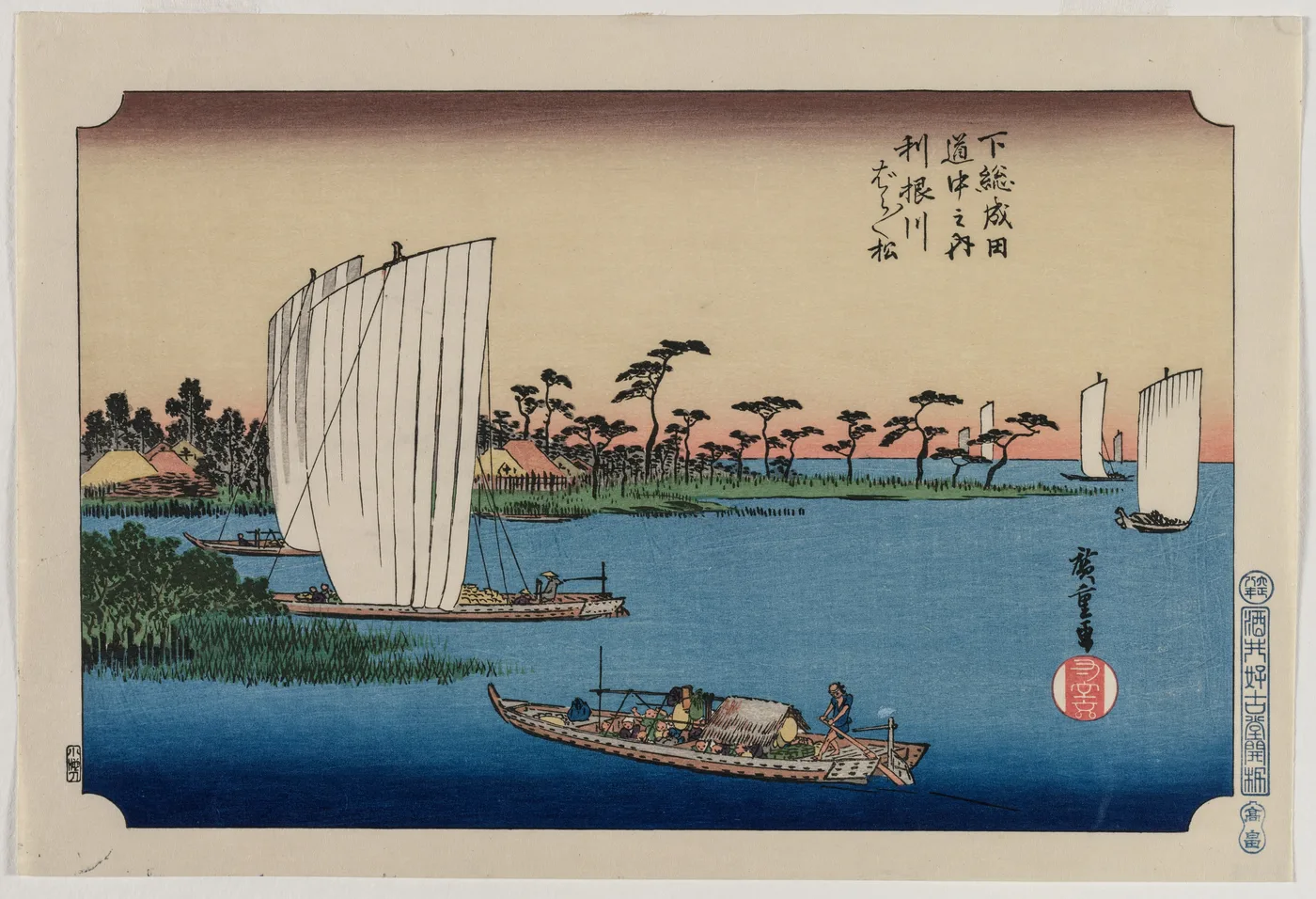
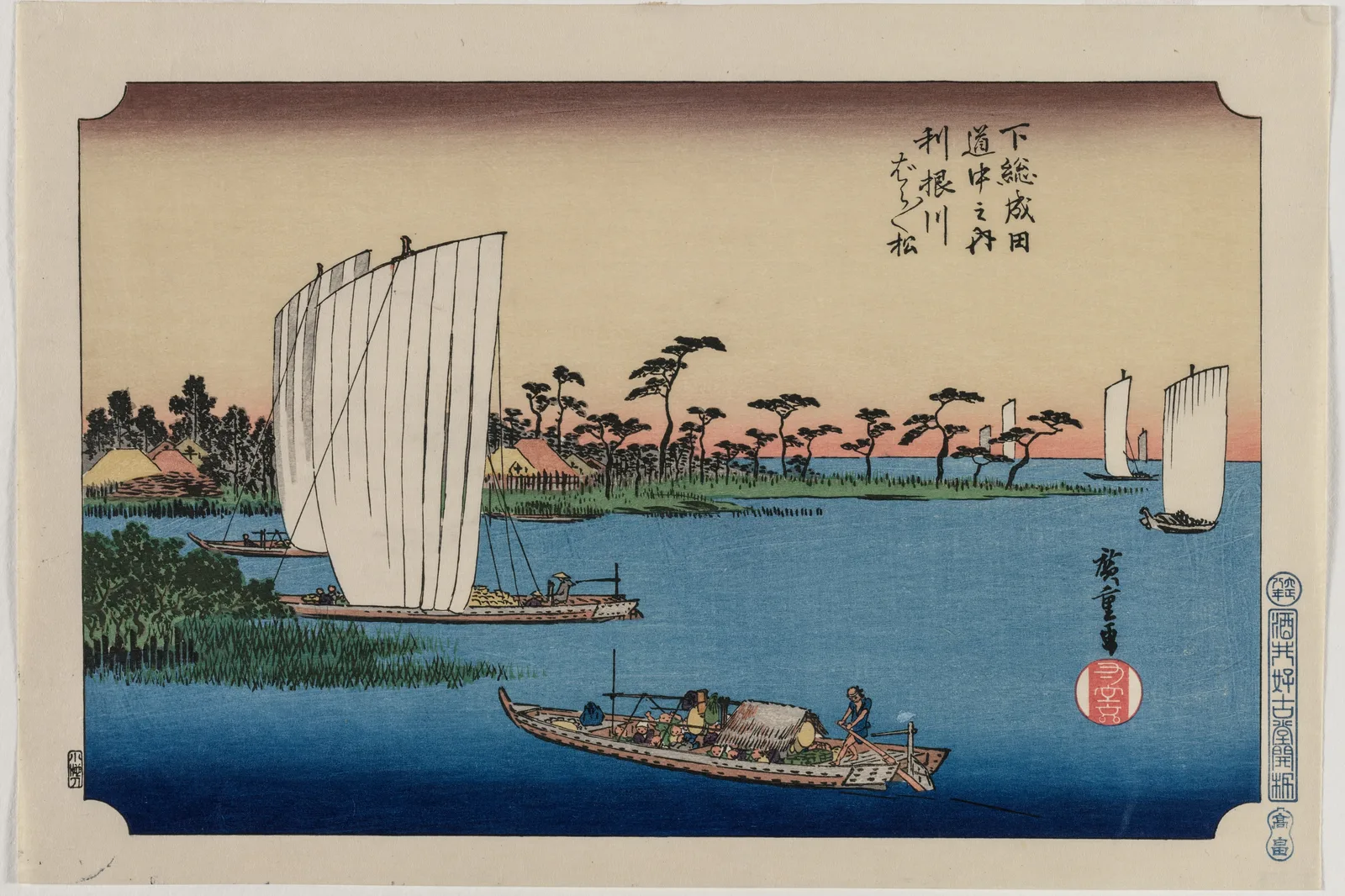
Scattered Pine Trees by the Tone River, from the series The…
1919
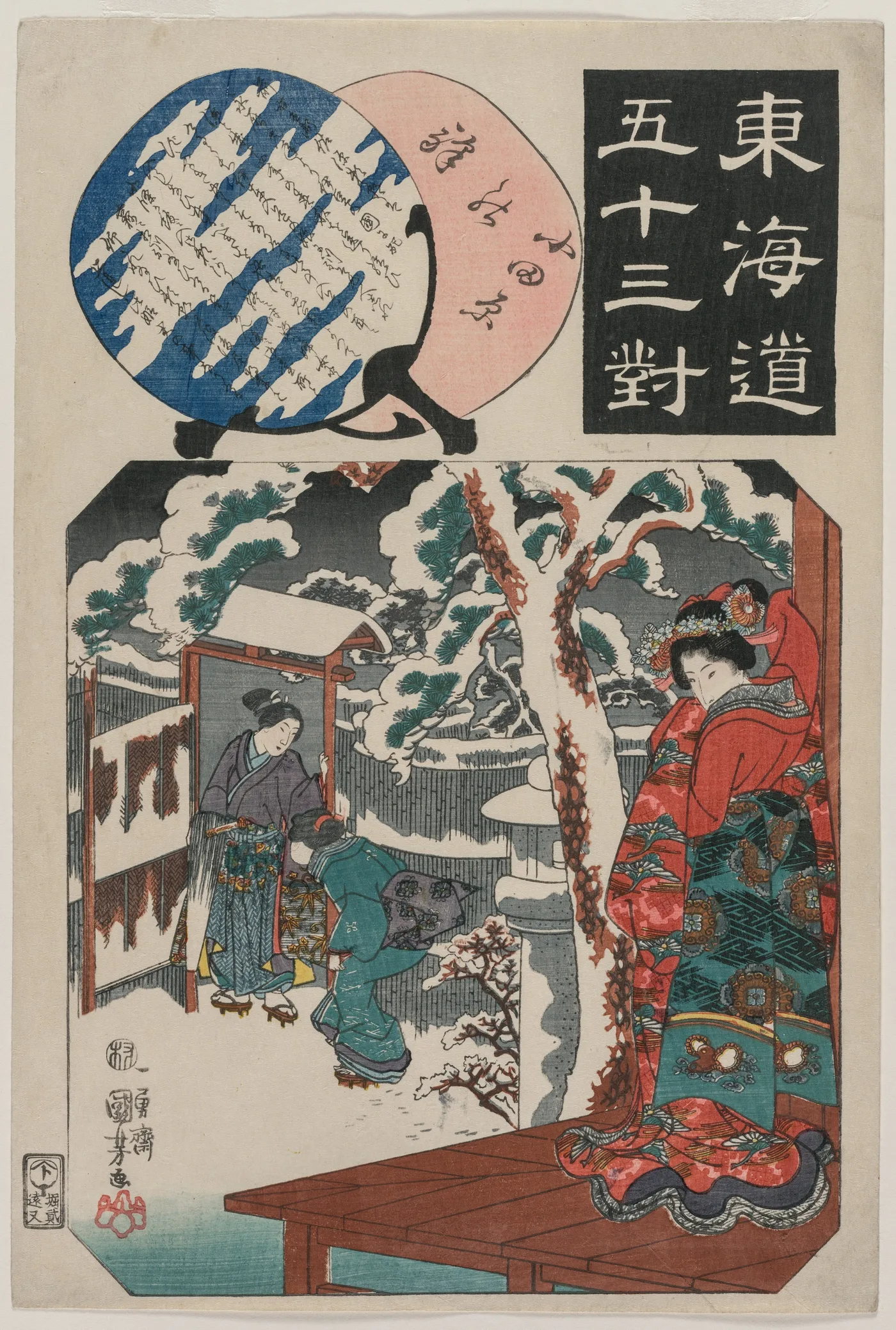
Odawara Station: Minamoto Yoritomo Visits the Daughter of…
1840
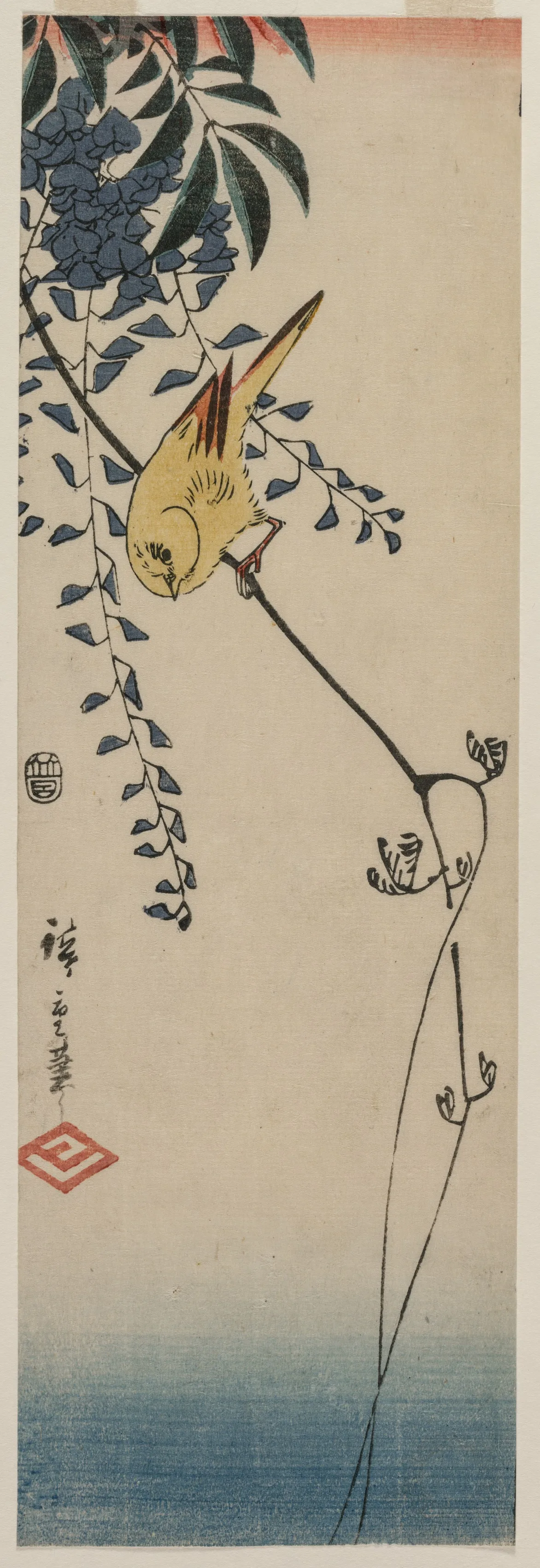
Canary and Wisteria
1840
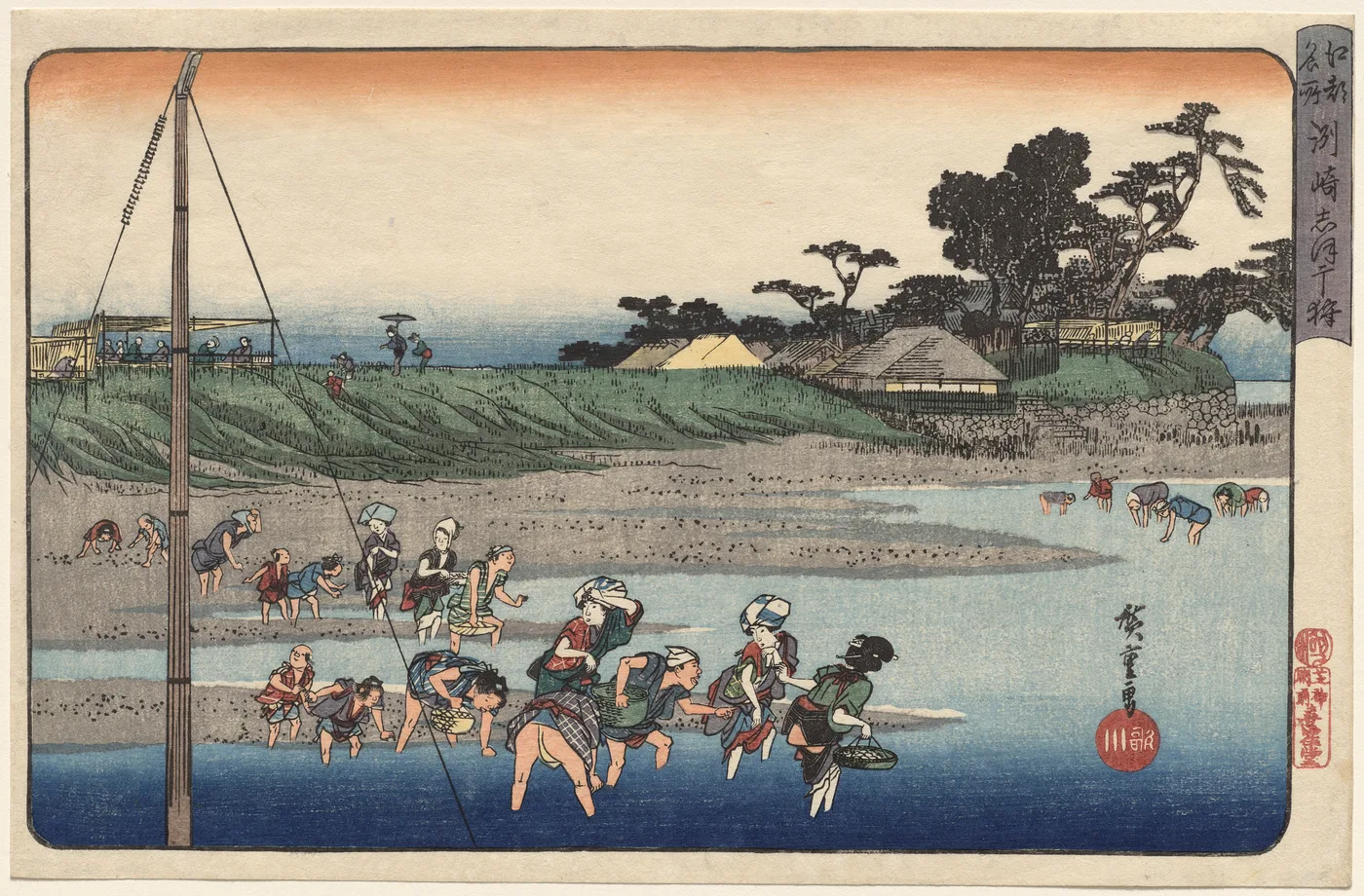
Gathering Shellfish at Low Tide at Susaki, from Famous…
1830
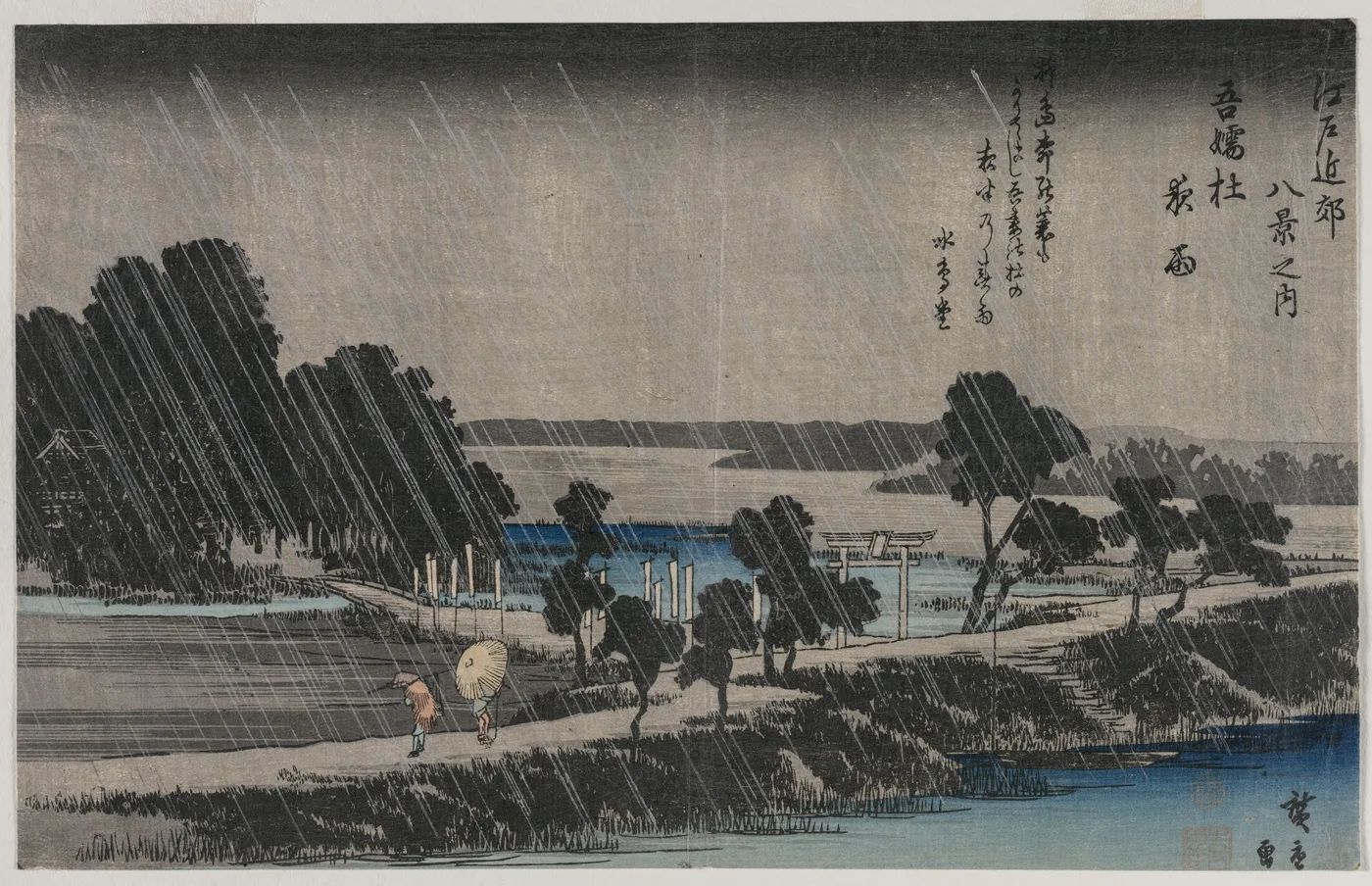
Night Rain at the Azuma Shrine (from the series Eight Views…
1830
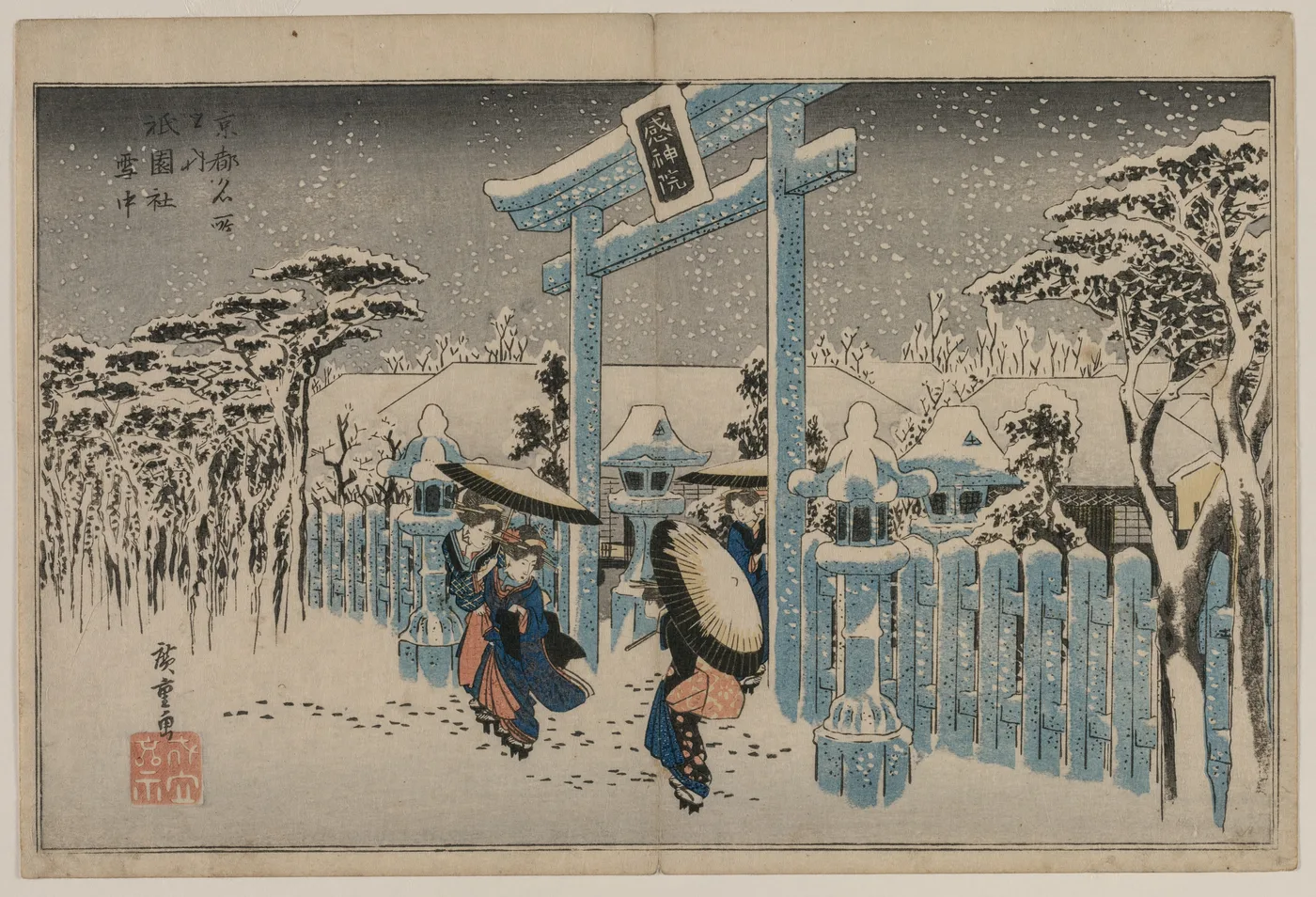
Snow at the Gion Shrine, from the series Famous Places in…
1830
Notable Works
Under the Wave off Kanagawa (The Great Wave)
The most famous of all Japanese prints, designed by Katsushika Hokusai around 1831 as the opening image of his series Thirty-six Views of Mount Fuji. A towering, claw-like wave rears over three…
Browse the collection →Fine Wind, Clear Morning (Red Fuji)
Also known by its Japanese title Gaifu kaisei, this print from Hokusai's Thirty-six Views of Mount Fuji (c. 1830-1832) shows the mountain alone, its slopes flushed red-brown by the light of an early…
Browse the collection →Sudden Shower over Shin-Ohashi Bridge and Atake
A celebrated print by Utagawa Hiroshige from his series One Hundred Famous Views of Edo, published in 1857. Figures hurry across a wooden bridge under a downpour rendered as fine diagonal lines of…
Browse the collection →Timeline
The Edo period begins; the rise of urban merchant culture creates the audience for ukiyo-e
Hishikawa Moronobu, regarded as the form's first master, popularizes single-sheet prints and illustrated books in Edo
Suzuki Harunobu and his collaborators perfect the full-color print (nishiki-e), the "brocade picture"
The mysterious Sharaku produces his bold kabuki actor portraits during a brief career of about ten months
Kitagawa Utamaro is at the height of his fame for refined portraits of beautiful women (bijin-ga)
"Living only for the moment, savoring the moon, the snow, the cherry blossoms and the maple leaves, singing songs, drinking sake, and diverting oneself just in floating, floating... this is what we call the floating world."
— Ukiyo-e